Flyer, The Best Dog Ever

FlyerEvery dog is The Best Dog Ever, and Flyer was no exception. A dear friend of mine sent me a link to her friend, Lon Lawrence's tribute to his little girl, Flyer. As expected, the story and photographs of Flyer moved me to tears, but they also warmed my heart, as Flyer the Basenji is now over the Rainbow Bridge keeping good company with Beau, Bijou, Poindexter, Nini, Lula, Sammy, Shana, Tigger, Cyrus, Lincoln, Charlie, Jackson, Fred and all of my long and not-so-long gone family and friends. I keep going back to the site to visit Flyer. The home movies crack me up, and the photographs remind me of the unique, special and irreplaceable part of our lives that our animals are.

FlyerWhat a wonderful life this sweetheart of a dog had. No regrets for little Miss Flyer.  I'd like to invite you to visit her. You'll be glad you had a chance to meet her.

The 411 on Pet Insurance

Insurance for PetsOne medical emergency can really put you in the "doghouse," so to speak.  Aging pets require extra care, and that can lead you to shell out extra bucks if you're not prepared.  Rather than sit around and wait for the proverbial shoe to drop, smart pet owners are taking matters into their own hands by electing to insure their dogs or cats.

Premiums are based on your pet's age, breed, and location.  Pre-existing, congenital, and hereditary conditions may deem your pet ineligible for coverage with certain providers.  A few of the more reputable insurance companies that deal with our four legged friends include:

  • Pets Best InsurancePolicies as low as $19 per month.  80% reimbursement after deductible.  Choose the vet you want anywhere in the world.  No annual limits or age restrictions.  A simpler way to file claims.


  •  Veterinary Pet Insurance (VPI)Choose according to the type of pet that you have?canine, feline, avian, or amphibian.  Free quotes via their website.  Affordable rates and plans that allow you to visit the veterinarian of your choice.  Reimbursement occurs after a claim is filed.


  • PurinaCareA name you can trust.  Hereditary conditions not excluded.  80% of eligible expenses are reimbursed after meeting deductible.  Preventive care policy covers annual exams, heartworm and flea prevention, and vaccinations.


  • PetPlan USALifelong coverage.  Reimbursement of veterinary and boarding fees.   Covers the price of advertising and offering a reward for a lost or stolen pet.  Covers the price of the pet in the case that he or she dies during the time that the policy is active.  Reimbursement of vacation costs if your pet becomes ill and you had to cancel you plans to be with the sick animal.


  • ASPCA Pet Health InsuranceChoose from four levels of protection.  Get a free quote and enroll online within minutes.  Get professional advice concerning animal welfare.  Go with any licensed vet in the nation.  Pays up to 80% of allowable covered charges after deductible is paid.

Paying out of pocket for medication or surgeries will put a strain on your bank account and may force you to sacrifice the level of care that you pet receives for the sake of saving a buck or two.  By researching insurance companies and their variety of plans and services, you can avoid the inevitable and give your dog or cat the type of care he or she deserves.

The right type of insurance can be a lifesaver in troubling times.  Rest assured that as long as you carry coverage on your pet, he or she will stand a fighting chance despite tough economic times.  Despite the added expense, pet insurance offers much more than a break in expenses.  It also offers you peace of mind.

Holiday Gift of Charity in Your Pet's Name

How to Give a Gift of Charity In Your Pet's Honor This Holiday Season

Want to do your part this holiday season and donate to a charity that you believe in?  What if I told you that you could do so in the name of your beloved pet?  Wouldn't that make the gift so much sweeter?  Well, what are you waiting for?  Organizations like the Humane Society, the Rutgers University Board for Equine Advancement (RUBEA), Best Friends Animal Society, and the Lollypop Farm offer you the option of making a donation in the name of your four legged friends, both living and deceased.  "In Honor Of" and "In Memory Of" gifts are a great way to celebrate the season, give back to the community, and include your pets in your holiday preparations.

Spending money on thoughtless presents is a thing of the past.  Making a charitable donation is as easy as 1-2-3.

  1. Choose an organization to support.c
  2. Request to send money in honor of your pet.
  3. Write a check or authorize a credit or debit card withdrawal.

Some organizations offer memorial bricks with a personalized message inscribed on each.  If you choose to donate a certain amount of money, you are entitled to this service.  Do not feel obligated to give more than you can afford just to take advantage of this offer.  Additional opportunities to donate will present themselves.  Give the amount you can afford now.  Shelter animals do not have a second to lose.  Your financial gift can be the difference between life and death for some of them.

Extend this courtesy to other members of your family and your two-legged friends too.  Instead of buying gifts this year, why not honor the ones you love in other ways.  Charitable donations are always in style, never the wrong size, will not expire, and spread joy to both giver and receiver.                                                                                                               

Crafting for Critters: A List of Charitable Organizations Seeking Your Handcrafted Items For Donation

Tis' the season to spread goodwill.  That being said, there are a number of ways to be charitable during the holidays that don't require you to spend a lot of money.  In fact, non-profit organizations around the globe prefer handcrafted items over store-bought ones.  Here is a list of pet-friendly groups seeking your sewn, quilted, knitted, crocheted, and hand-built items for use in their facilities:

Hugs for Homeless Animals Snuggles Project.  Create security blankets from a variety of materials and donate them to shelter animals that need comforting.  President and Founder, Rae French, poured her heart into this project that has been running strong since 1996.  Contributors can find everything that they need on the site including project sheets, a list of shelters, and an online donation form.

Creative Animal Relief.  Artists donate handmade items that are later sold online, in the storefront, and at arts and crafts festivals.  The proceeds are used to aid "qualified animal charities".  Members vote on their favorite charities, the names are put in a randomizer, and three are chosen as quarterly charities.  CAR puts a lot of effort into researching the background of these organizations before releasing any funds to them.

ASPCA.  Donations in the form of "thick towels, blankets and beds for dogs and cats" are encouraged.  The site does not specify that these items should be bought brand new and only suggests that they should be "laundered and clean".

Patterns for projects are posted heavily on the web.  In fact, here are a few places to get you started:

Craftbits.  The site has great ideas that cost very little to make.  Two of the more impressive pet-related crafts included a Recycled T-Shirt-Dogs Tugga Toy and Cat Nip Pouches.  Made in bulk, these items can really benefit shelters that are in need of supplies.

Tipnut.  Twenty projects round out the pet craft section of this informative website.  From toys to clothing to blankets and bedding, there is something for everyone to make.

ReadThreadDIY.  Containing a great tutorial on how to make a pet bed, the site offers read step-by-step instructions as well as color photograph illustrations.

Break out all your unused supplies and get to work crafting for the animals.  No holiday would be complete without including a charitable action geared towards our furry, feathered, and finned friends.  Even the smallest gesture can yield big rewards.  In fact, Julia Alvarez said it best when she declared, "The point is not to pay back kindness but to pass it on."

Preparing Pets for the Holidays

Pets at Holiday TimeHoliday preparations can take their toll you, your household, your families, and even your pets.  The joy of the season can be a lot to handle and your feathered, finned, and four legged friends should not be excluded from your festivities.  Here's a few things to remember when making holiday arrangements that include your pets:

  • Make sure that your pet's microchip or identification tags are updated before hitting the road or flying to your destination.

  • Think about boarding timid pets rather than bringing them along with you when traveling.  Too much stimulation can cause a dog or a cat to react differently.  You do not want your sweet dog Taffy to act aggressively when approached by strangers nor do you want your cat Sylvester to tear up your sister-in-law's brand new window treatments.

  • Keep a leash handy and stop frequently to let your pooch stretch his or her legs.  Rest stops often have pet parks designated for this purpose.

  • Carry a collapsible food dish and water bowl and keep it close by.  Feed and water your pet as often as necessary but refrain from feeding them table scraps.  Small bones can get lodged in your dog and cat's throat and cause them to asphyxiate.  Stick to your pet's regular diet and avoid this problem directly.

  • If using a carrier, choose one that gives your pet ample space to move around.

  • Check with the airline in regards to restrictions and recommendations.  Make sure that your pet is given access to plenty of food and water to ensure the smoothest flight possible.

  • Wrap up a small toy and get your dog or cat involved with opening it.  Give your pet time to interact with their gift. 

  • Whip up some gourmet dog biscuits and hand them out to the pets in your home liberally.  There are plenty of websites on the net offering tantalizing treat recipes to tickle the taste buds of your furry friends.  Humans aren't the only ones who enjoy celebrating.  Give Fifi and Fido a reason to do all the tricks that you have been teaching them throughout the year.

The holidays are often hectic but they don't have to be.  Take time to remember the true reason for the season and don't forget to count your blessings.  The health and happiness of all members of your family - human, feline, canine, amphibian, and avian depend on the preparations that you make ahead of time.  Follow these few simple tips and make this year's festivities even more memorable.

H1N1 and Our Pets

We all have questions about protecting ourselves from the H1N1 virus, but how about our pets? How susceptible are they to the virus, and how can we protect them? The tips below may come in handy:

Is H1N1 Swine Flu Transmittable to My Pets?

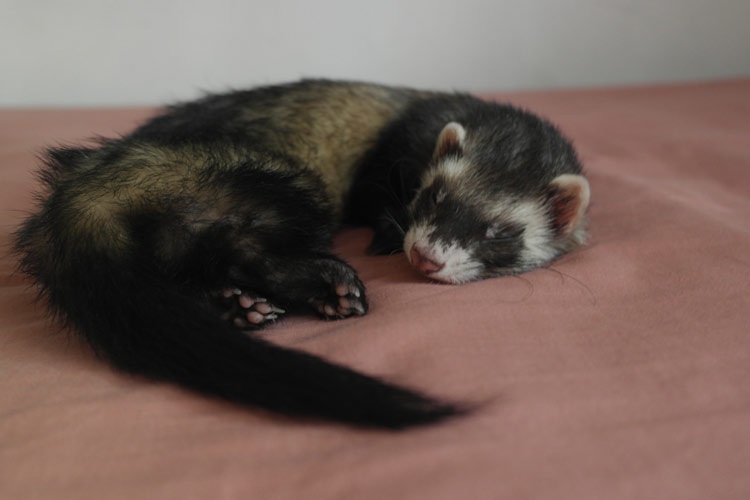
Although the risk is slim, humans CAN transfer the H1N1 virus to pets.  In fact, four ferrets in the state of Oregon tested positive for the virus according to Medical News Today.  Last week, a 13 year old Iowa cat caught the virus from two people stricken with the flu.  Earlier reports from veterinarians dispelled the myth that H1N1 could be transmitted to animals by their infected owners.  No word as of yet whether the vaccine being given to humans can be used on pets.  I guess it will be a matter of time before that news is reported on.  That being said, you should heed the same precautionary measures that you would take in preventing the transfer of the Swine Flu to human members of your family.

Tips for Preventing the H1N1 Virus from Spreading

Contact with other human beings is a necessity in this day and age.  Rather than hide in your home, follow these tips when dealing with the public:

  • Wash your hands frequently.  Use an antibacterial soap and rinse with warm water.
  • Use a paper towel to turn off the faucet.  Similarly, avoid direct contact with door handles.
  • Carry a bottle of alcohol based hand sanitizer and use it whenever the need arises.  This is especially important for people who work in healthcare facilities or handle money.
  • Avoid direct contact with people who are ill.
  • Sanitize workspaces and places in the home that come into contact with infected individuals.
  • Get adequate amounts of rest, exercise, and fluids.
  • Report any flu-like symptoms to your physician immediately.

H1N1 Symptoms in Pets

What types of symptoms will my pet display if they have contracted the Swine Flu?

A few of the more common include:

  • Sneezing
  • Coughing
  • Difficulty breathing
  • Lethargy
  • Loss of appetite
  • Runny nose

What to Do If Your Pet Becomes Ill

If your pet starts showing any of the aforementioned symptoms, immediately seek treatment.  Your veterinarian will know what to do better than anyone else. Isolate the animal from other members of the family, both two-legged and four-legged.  Protect your eyes, nose, and mouth by wearing a respiratory mask.  Wash your hands frequently and wear gloves when sanitizing your pet's feeding bowl, water dish, and cage.

The H1N1 Swine Flu Virus has catastrophic results.  Keep in mind that it is highly contagious and can cause death in both humans and animals.  Employing a few simple tactics can reduce your risk of passing on the virus to your most valuable assets, your family and your beloved pets.


Preventing Parvo

Preventing Parvo: How to Protect the Ones You Love

Parvo is a serious viral disease that can cause death in puppies and young dogs.  The parvovirus attacks cells which cause diarrhea, depression, and weaken your pooch's heart.  Rather than sit back and watch this disease destroy the ones that you love, opt instead to stop parvo at its source.  By taking the necessary precautions listed here, you can ensure that your puppies grow up in a healthy, happy, disease-free environment.

Symptoms of the Disease

If your puppy starts showing these symptoms, take immediate action by calling your veterinarian:

  • High Fever
  • Lethargy
  • Depression
  • Loss of appetite
  • Diarrhea
  • Vomiting
  • Dehydration
  • Shock

Treatment for Parvo

Parvo is highly contagious and treated very aggressively.  In addition to being given an IV containing fluids and antibiotics, doctors regulate body temperature and keep electrolyte levels at their optimum.

When to Vaccinate Against the Parvovirus

Although difficult to prevent in puppies that were born to an infected mother, regular vaccinations can be scheduled once the canine has reached 6 weeks old.  Continuing until the puppy has reached 20 weeks old, yearly dosages of the vaccine are highly recommended by veterinarians.

Preventing the Disease From Spreading

THERE IS NO CURE FOR PARVO!  That being said, you should never expose other puppies or dogs to an infected pet.  Keep the animal isolated for up to a month after recovery.

Disinfect with bleach and water all areas of the home where the puppy has been.  This includes flooring, bedding, and even food dishes and water bowls!

Pick up your pooch's poop from the backyard.  Avoid letting your other pets come into contact with it.

Make your dog's diet as bland as possible.  Gradually introduce regular kibble once your pup has fully recovered.

To Learn More

Contact the American Veterinary Medical Association and request a copy of their brochure: What You Should Know About Canine Parvovirus.

Speak to your veterinarian about his or her recommendations for puppies and young dogs.

Educate yourself by reading more about the subject online.  Print out fact sheets and watch films that cover the deadly disease.

A Final Note

Despite parvo's seriousness, 20% of those puppies infected pull through.  Don't take a chance when it comes to your pooch's health.  Get them vaccinated early and make sure that they have regular check-ups. Report any concerns to a veterinarian right away and keep a close eye on ill animals.  A little precautionary measure here and there goes a long, long way.


The Trials, Tribulations and Eventual Thrill of Adopting a New Kitty

After Nini passed away in June, I knew I wanted to adopt another cat right away. Although I was enjoying not having to change the cat litter, clean up Nini's bad aim from around the cat litter, and having to clean the kitchen counters every minute (I only use eco-friendly cleaners, which I can only hope did/do the job), I love cats, and missed Nini. As you've already gathered if you've read my blog, or if you've noticed that I donate 5% of my sales to Muttville, I hold a special place in my heart for less-adoptable animals. I wanted to adopt an old-timer, or better yet, a pair. It breaks my heart to know that cats who have bonded over the years are often split up by shelters wanting to find homes for as many as needy animals as possible, which is why I wanted to rescue at least one pair. I searched for siblings, and found one shelter that had several, and older ones, as well. When I called the shelter, however, both the adoption counselor and I had concerns that these cats may not have had any experience with dogs, and it might be very stressful for them to be put in a home with two dogs. I thought of testing the waters nevertheless, but couldn't see myself bringing these kitties home, only to have to surrender them back to the shelter if the adjustment period didn't pan out.

One day I happened to be in Wags 'n Whiskers, one of my favorite stores that carries Opie & Dixie products. Erica, the store owner, has daily adoptions at her store. There were kittens, kittens, everywhere! I did not-not-NOT want a kitten. All of a sudden I glanced aside, and there was a non-kitten! She was small, and appeared to have some Siamese and Snowshoe in her. Man, she was beautiful. She was strutting around the store like she owned it, with dogs roaming in and out. She was fearless, and just adorable. I asked how long she'd been there, and she'd been there the longest of all. I couldn't imagine why, but the answer was that everyone wants kittens, and this little girl was about 2 years old. Go figure. I picked her up, and she rubbed her face against mine and purred like crazy. I drove home, and while concerned that by adopting her I would not be fulfilling my promise to adopt a "less adoptable" cat, something told me that she was to be The One. I KNEW she'd be fine with Opal and Dixie . I drove back to the store, picked her up, brought her home, opened her carrier, and... yep, I was right. Out she marched, confidently and fearlessly. The dogs came up to sniff her, and she pushed right past them defiantly: "Hey, outta my way, I have places to explore!"

It took me no time at all to learn that Miss Kitty, who we named Mia, had "issues." The biggest issue? Peeing NEXT TO, but not IN the litterbox. Pooped in the box, peed next to it. Of all the cats in the world, I had to pick another with a peeing issue. Nini reincarnated. God help me. Issue number two: biting. Yes, a very, very bite-y kitty. I'd be lying down on the couch very comfortably, deeply engrossed in The Wire, when? *POUNCE! CHOMP!* She'd scare the hell out of me, affix herself to my leg and take a bite out of my foot. Issue number three: Midnight Madness. I'd be sound asleep, when all of a sudden a stampede of feet would dart over my face. Then, the meowing. And I don't mean, "mew-ing." I mean, "MEOW-ing." At 3 in the morning. Hey, do whatever you want with me, but don't ever, EVER mess with my sleep. There were other problems too, but these were the main ones. Well, I yanked out all my behavior books, googled solutions and did all the things I thought I was instructed to do, but nothing worked. I had no choice but to call in the experts. I found Feline Minds online, and Mikal came to the rescue. She spent a couple of hours assessing the monster-kitty-from-hell situation, and a day or so later she sent over a full report with solutions. Get this: THRILL OF A LIFETIME! THEY WORKED! Miss Kitten now pees in the cat litter. No more making meals of my arms and legs. No more feet in my face in the middle of the night. Amazing! Even though her name is Mia, who calls their pets their real names? Mia is KEEEEEEETTEN. And you can't just speak it. You need to SCREECH it. "KEEEEETTEN! KEEEEETTEN!" All three girls are crazy about each other. They play like maniacs and then pass out and sleep together. Hallelujah. Peace in the kingdom.

Quick tips for the training of kooky kats:

1. Cat Attract - When they can't seem to use the litterbox, this litter is magical. It's natural, and apparently has an herb-y, grassy scent (that I can't smell) that "attracts" them. It works like a charm.

2. Biting -- when you're tired of being turned into a meal, go limp. Do not nose tap the kitty's nose. Do not yell, "AAAAAAAAAAA!" Do not kick them so they go flying off you. Just... ignore. Grit your teeth, let your eyes well up from the pain, and... ignore. If it gets REALLY bad, just nonchalantly stand up and walk away. Kitty will learn that all the biting leads to no more play. Not only no reaction (which is what kitty is after), but The End.

3. Nighttime stampedes and chattiness - Play with kitty before you go to bed until he or she is ready to drop dead. You can tell when they start getting worn out because the toy becomes less and less exciting, you'll detect a bit of panting, and suddenly.. *plop*! Dead to the world.

Syndicate content